

Key Takeaways
- A chord inversion keeps the chord’s identity intact but places a note other than the root in the bass, changing its stability, color, and movement.
- First inversions place the third in the bass, second inversions place the fifth there, and third inversions use the seventh of a four-note chord as the lowest note.
- Inversions create smoother voice leading by reducing large jumps between chords and helping individual musical lines move step by step.
- Slash chords such as C/E provide a simple modern way to indicate the chord being played and the specific note that should appear in the bass.
- Producers and songwriters can use inversions to build melodic bass lines, control tension, improve chord transitions, and keep arrangements from sounding blocky or mechanical.
How Chord Inversions Reshape a Chord Without Changing Its Identity
To understand chord inversions, one must first examine the anatomical structure of a standard chord in its root position. In foundational music theory basics, a standard triad consists of three distinct pitches built upon a specific root note, utilizing a system of stacked thirds. For example, a standard C major chord is constructed using the root note C, a major third above the root (E), and a perfect fifth above the root (G). When played with the root note as the lowest sounding pitch, the chord is said to be in root position.
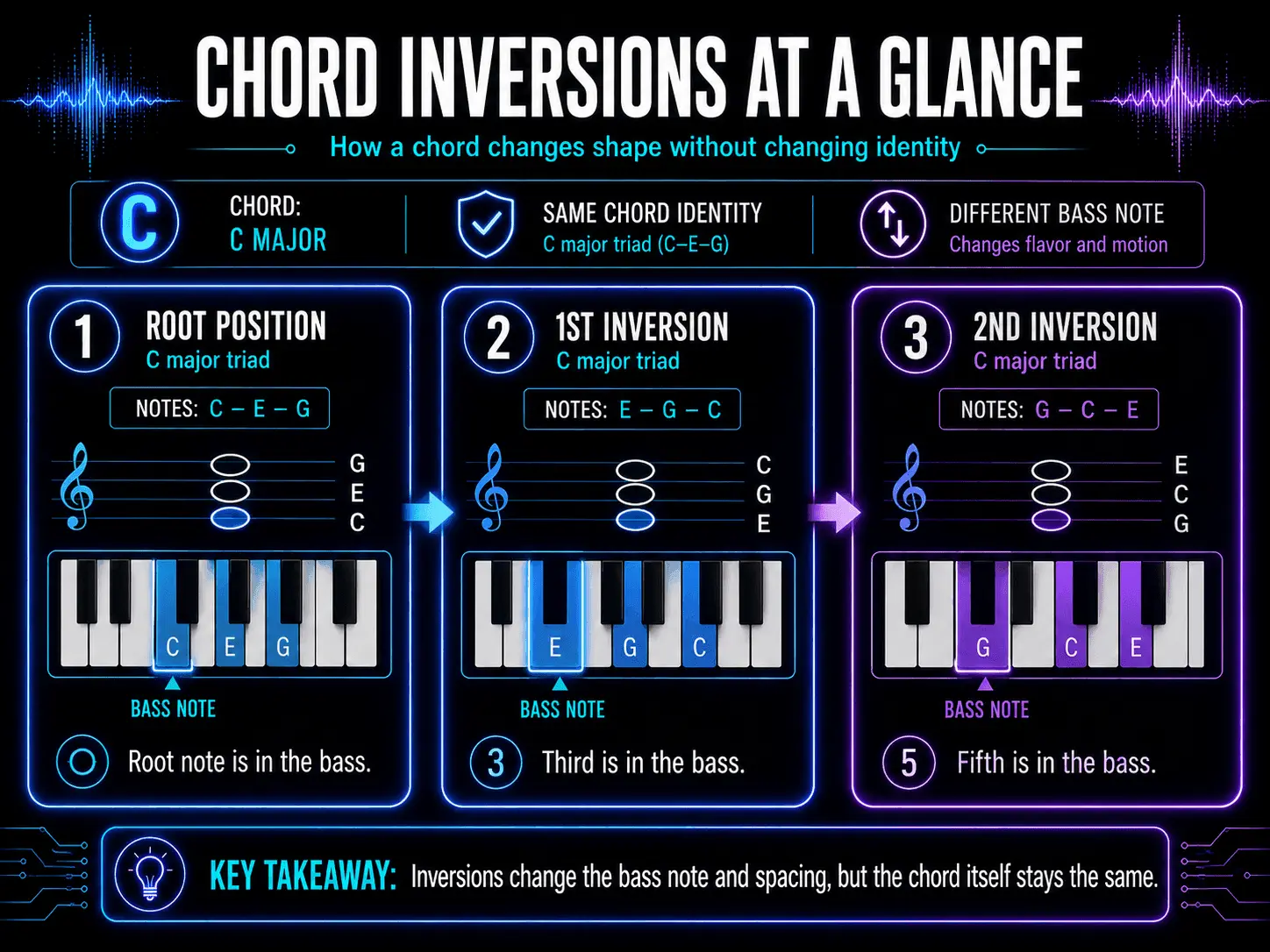
An inversion occurs when the notes of a chord are rearranged so that a pitch other than the root occupies the lowest position, known as the bass note. It is critical to differentiate between the root of a chord and its bass note. The root remains the structural anchor that defines the alphabetical name and functional identity of the harmony, while the bass note represents the lowest vocal or instrumental line currently sounding in the arrangement.
Root Position: The root note C functions as the lowest voice, with E and G distributed above it.
First Inversion: The third interval E is shifted to the bottom as the bass note, with G and C stacked above it.
Second Inversion: The perfect fifth G occupies the lowest position as the bass note, with C and E placed above it.
By altering the bass note, the musician changes the vertical intervallic relationships between the lowest voice and the upper structures. This alteration modifies the acoustic stability, tension, and emotional color of the harmony without destroying its core structural integrity. The fundamental harmonic identity remains intact, but its physical deployment creates entirely new creative possibilities.
Types of Chord Inversions
Triad Inversions Explained
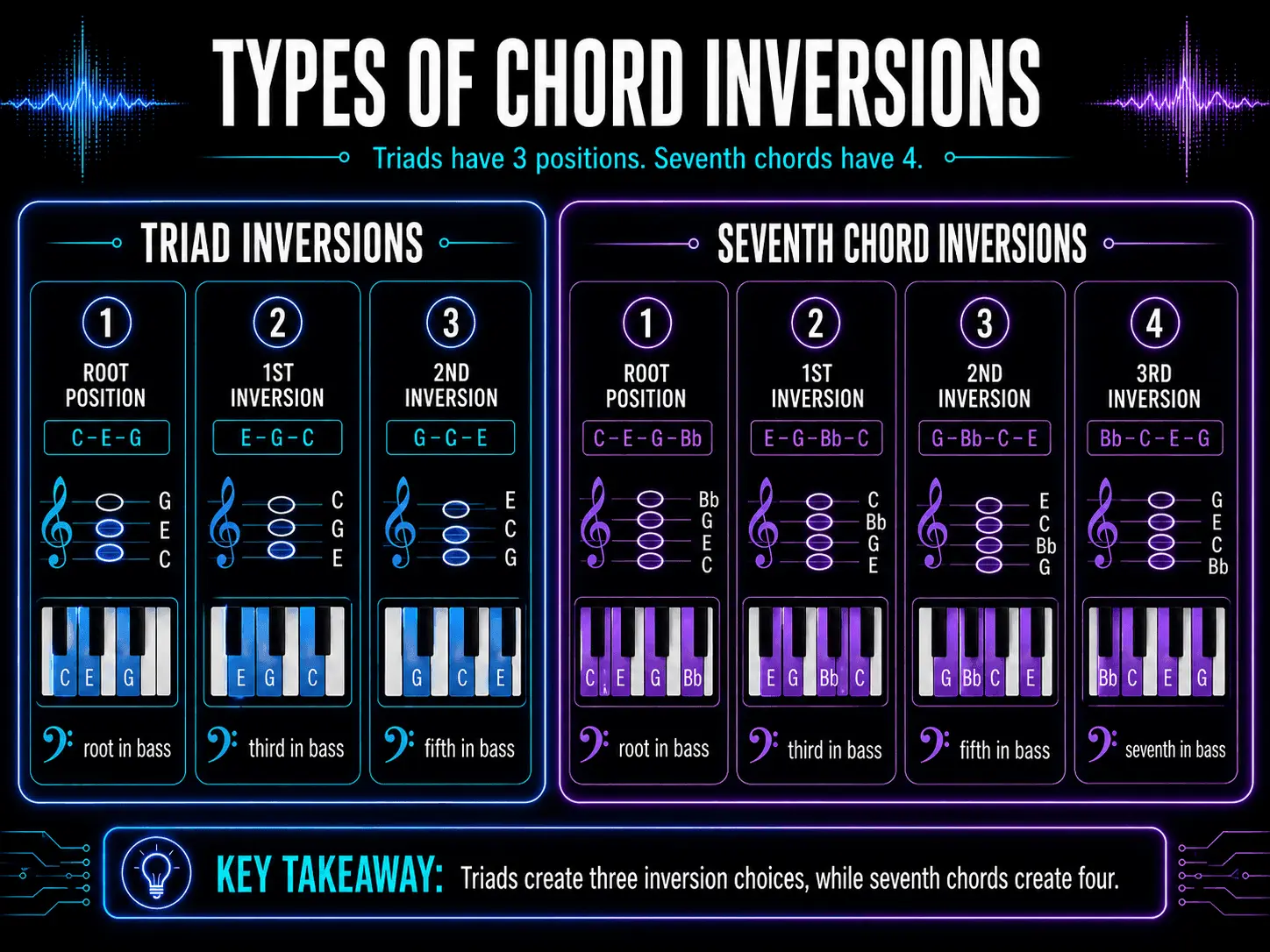
A triad is a three-note chord consisting of a root, a third, and a fifth. Because there are three individual pitches within the chord, there are three possible positions in which the chord can be voiced based on the lowest sounding note.
Each position introduces a distinct acoustic weight and functional purpose to a musical progression, allowing a composer to control the momentum of a piece with precision.
Using the 1st Inversion
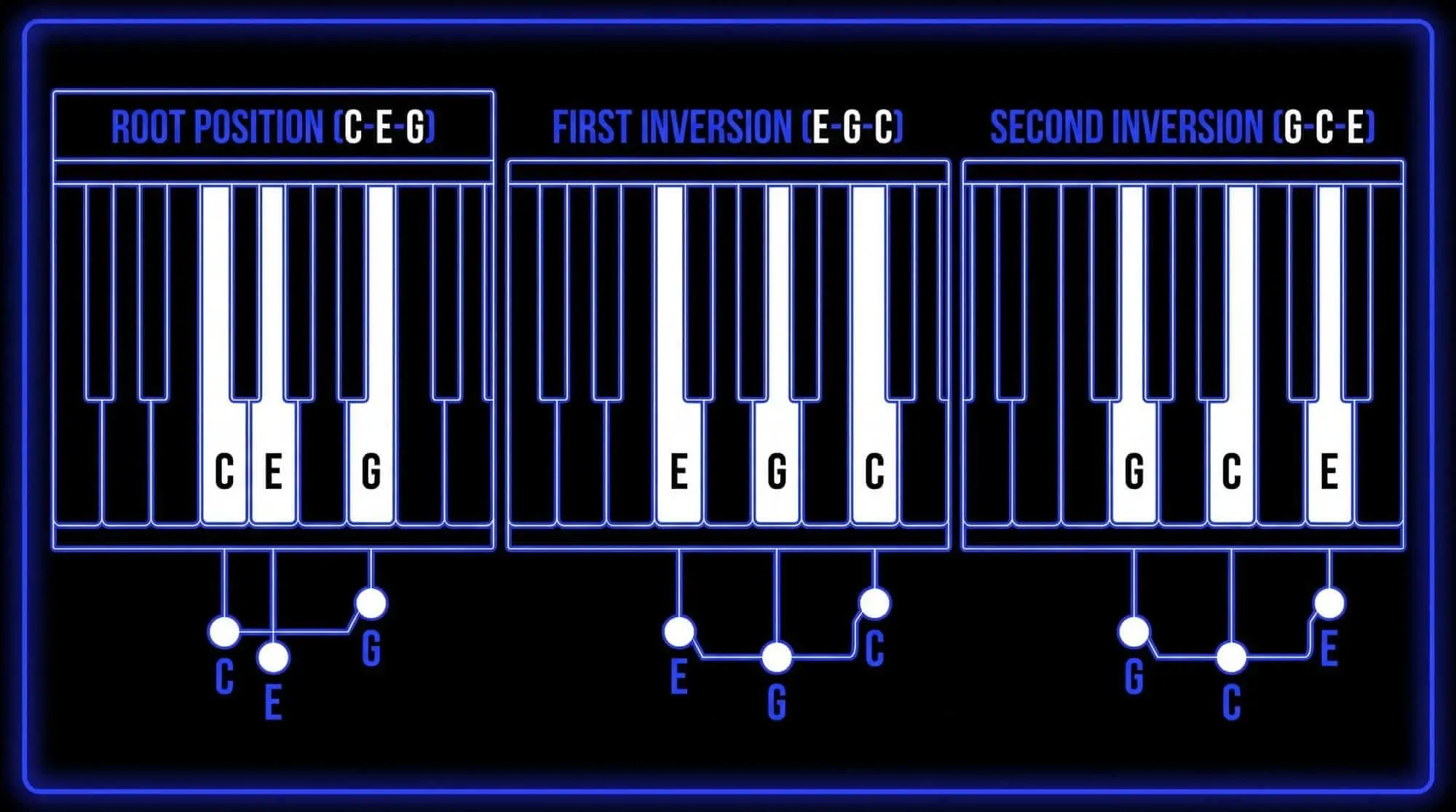
The first inversion occurs when the third of the triad is placed in the bass position. In the case of a C major chord, the note E becomes the lowest voice, while C and G are redistributed above it. Intervallic analysis reveals that the intervals above the bass note shift from a third and a fifth to a minor third and a minor sixth (or major variations depending on whether the underlying triad is major or minor).
Acoustically, the first inversion is characterized by its light, buoyant, and slightly unstable quality. It lacks the heavy, conclusive anchoring effect of a root-position chord. For this reason, composers frequently employ the first inversion to provide motion within a chord sequence. It allows the harmony to remain active without sounding static or fully resolved, serving as an ideal bridge during transitional passages.
Using the 2nd Inversion
The second inversion is generated when the fifth of the triad is shifted to the lowest sounding position. For a C major triad, the note G occupies the bass. This rearrangement places a perfect fourth between the new bass note and the original root note above it.
In traditional tonal harmony, the perfect fourth above the bass is treated as an acoustic instability or dissonance that demands resolution. Consequently, second-inversion chords are highly volatile and context-dependent. They are rarely used as standalone, stable target harmonies. Instead, they operate as passing chords, pedal points, or highly specific cadential formulas that build anticipation before resolving to a completely stable root-position chord.
Seventh Chord Inversions and Beyond
When moving beyond basic triads into four-note harmonies, such as seventh chords, a new structural layer is introduced. A seventh chord contains a root, a third, a fifth, and a seventh. Because there are now four distinct pitches available, the system expands to include four separate structural positions.
Root Position: The core root note occupies the bass line, such as C - E - G - Bb.
First Inversion: The third interval functions as the lowest voice, such as E - G - Bb - C.
Second Inversion: The perfect fifth sits at the bottom of the structure, such as G - Bb - C - E.
Third Inversion: The seventh interval acts as the primary bass anchor, such as Bb - C - E - G.
The introduction of seventh chord inversions dramatically expands the expressive sound palette available to contemporary songwriters, jazz arrangers, and media composers.
What about third inversions?
The third inversion applies specifically to four-note chords (and extended harmonies) where the interval of the seventh is placed directly into the bass voice. This positioning creates an immediate, acute acoustic tension. The interval between the bass note (the seventh) and the root note (typically voiced just a major second or minor seventh away) is highly dissonant.
Because the seventh of a chord naturally possesses a strong directional pull requiring a downward resolution by a half-step or whole-step, a third-inversion chord exerts immense forward momentum on a musical line. The entire weight of the harmony demands that the bass note resolve downward to the third of the succeeding chord. This makes the third inversion an incredibly potent tool for driving a progression forward into a new section or a significant harmonic arrival point.
How Inverted Chords are Notated
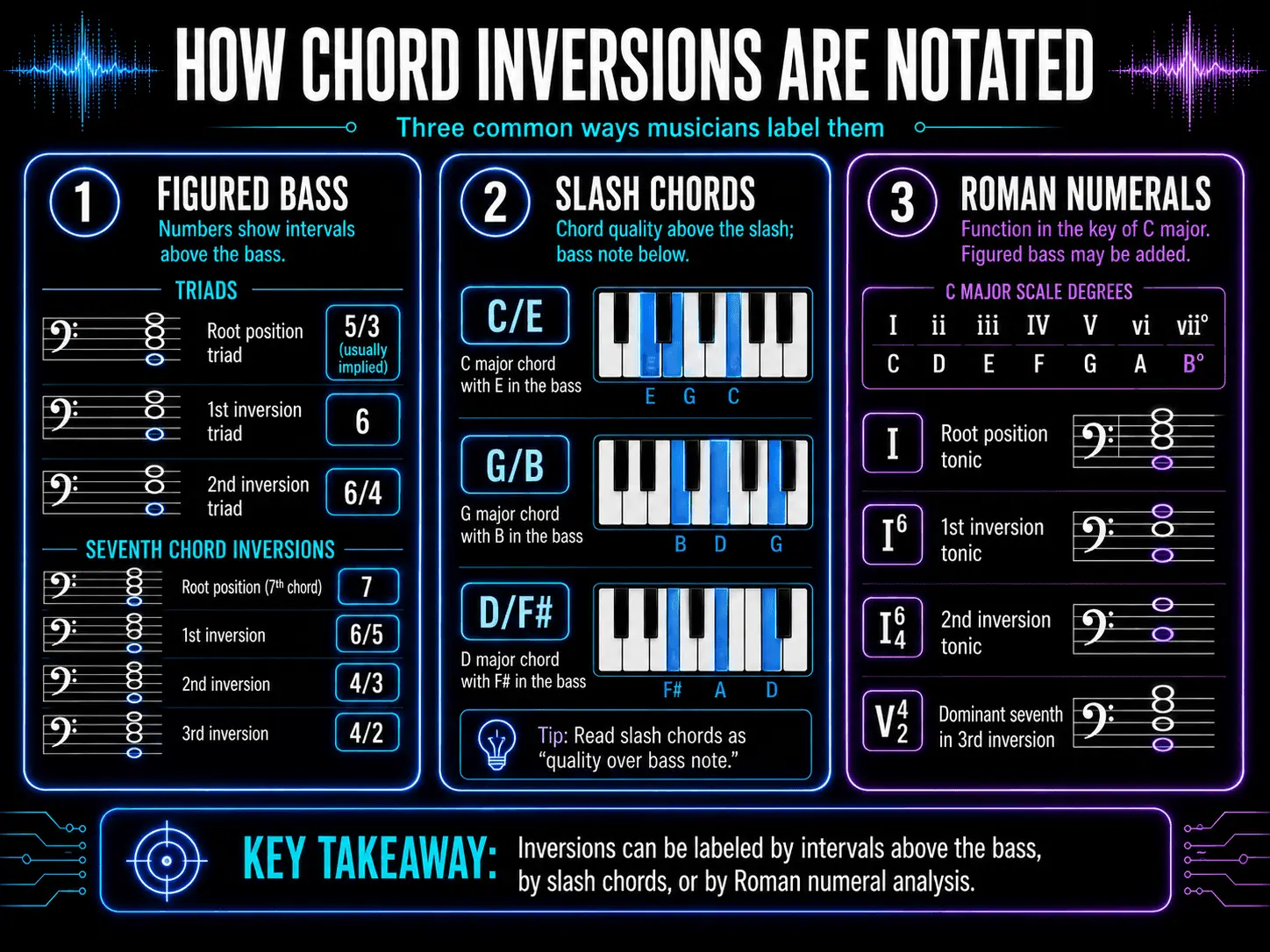
To effectively implement and analyze inversions, a musician must master the historical and contemporary systems of musical notation. Different musical traditions have developed specialized methods for documenting these structural variations.
Figured Bass
Figured bass is a historical system of musical shorthand that reached its peak utility during the Baroque era (roughly 1600–1750). In this system, composers provided the continuo player with a single, continuous melodic bass line written on the staff. Beneath or above these bass notes, small Arabic numerals were added to indicate the specific intervals that needed to be stacked above the bass note to complete the harmony.
For standard triads in root position, the intervals above the bass are a third and a fifth (5 over 3). Because this was the default position, composers usually left root-position notes unfigured.
- First Inversion Triads: Marked with a simple 6. This represents an abbreviation of 6 over 3, informing the player that they need to play a third and a sixth above the written bass note.
- Second Inversion Triads: Marked explicitly with a 6 over 4, requiring the performance of a fourth and a sixth above the bass line.
- Seventh Chords: Figured bass expands to account for the additional voice:
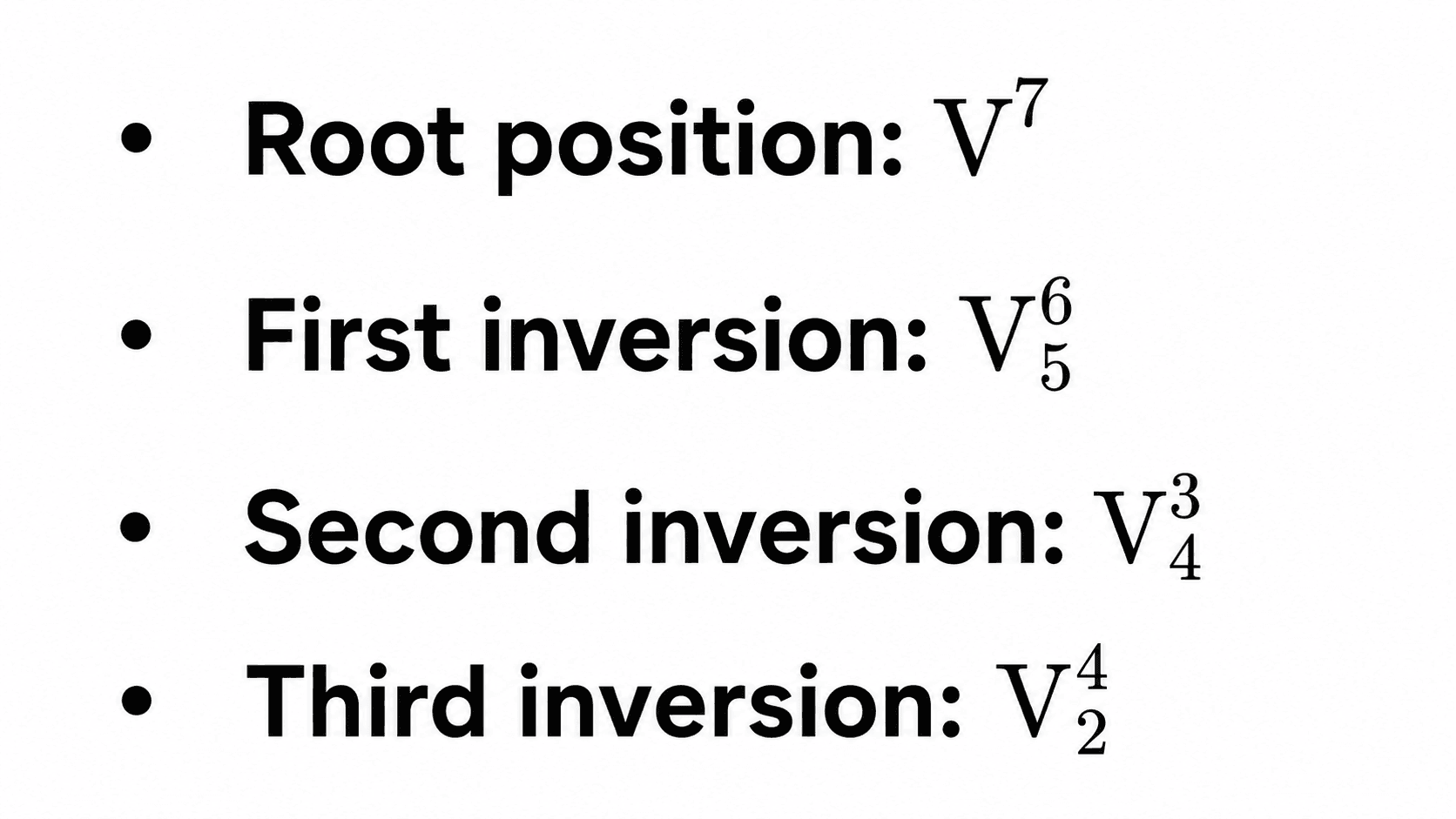
- Root position sevenths are denoted with a 7.
- First inversion sevenths are marked with a 6.5 (six-five), indicating a fifth and a sixth above the bass.
- Second inversion sevenths are marked with a 4.3 (four-three), indicating a third and a fourth above the bass.
- Third inversion sevenths are denoted with a 4.2 (four-two) or simply a 2, representing a second and a fourth above the bass note.
Slash Chords
In modern commercial music production, lead sheets, pop songwriting, and jazz notation, the figured bass system is replaced by the more pragmatic slash chords notation. This format provides an immediate, highly legible instruction to live performers and electronic track programmers.
The formula for a slash chord is written as a standard chord symbol, followed by a forward slash, followed by a designated bass note:
[Chord Identity] / [Bass Note]
For example, the notation C/E explicitly communicates that the instrument playing the harmony should execute a standard C major triad, but the musician playing the low-end instrument (such as an electric bass player, a synth bass programmer, or the left hand of a pianist) must play the note E as the primary bass anchor. Similarly, a notation of G/B demands a G major triad with the note B sounding as the lowest pitch. This system bypasses abstract interval calculations, offering a direct performance directive.
Roman Numerals
Roman numeral analysis is the standard method used in academic settings to break down functional harmony and understand how chords relate to the tonal center or scale degrees of a given key. This system combines the scale-step mapping of Roman numerals with the historic interval markers derived from the figured bass tradition.
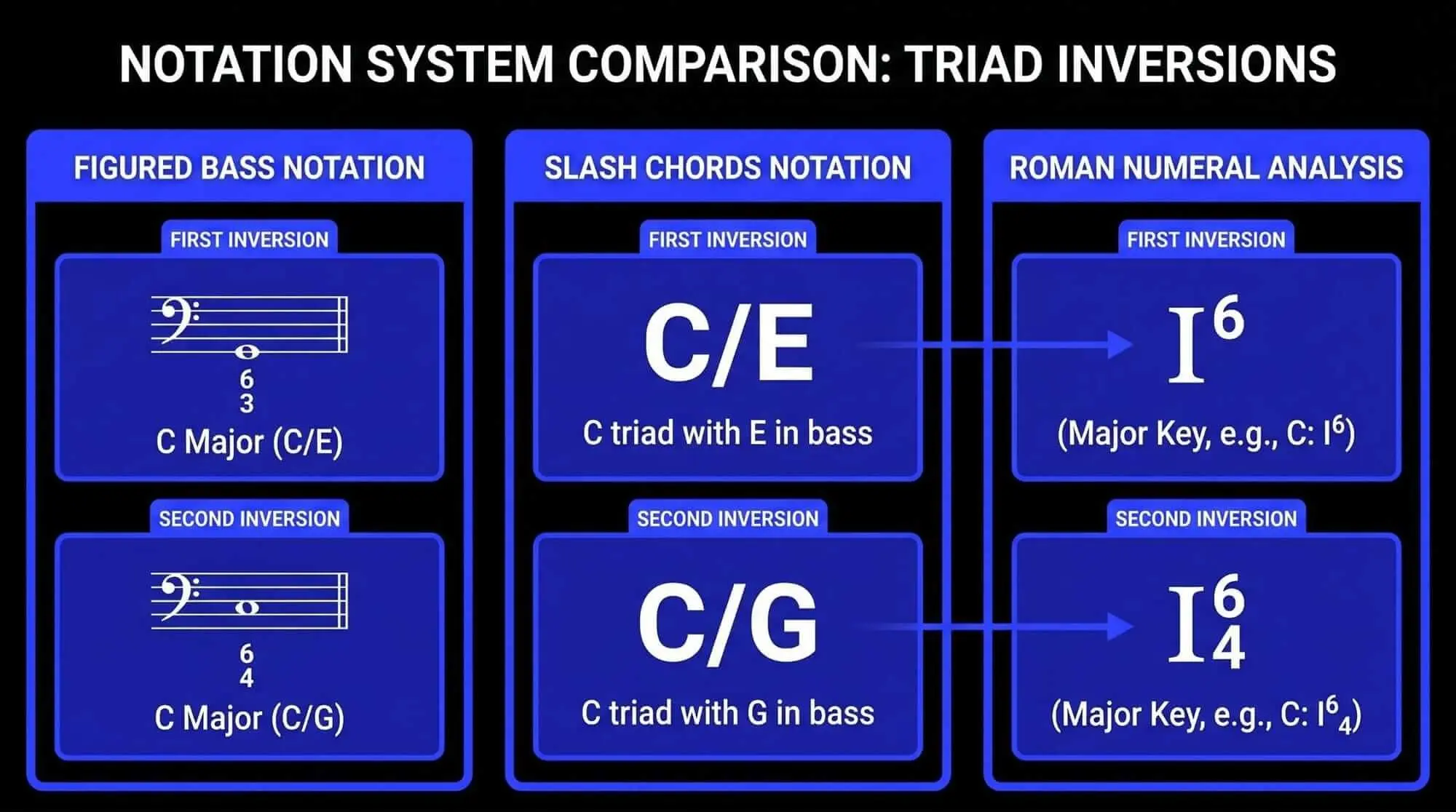
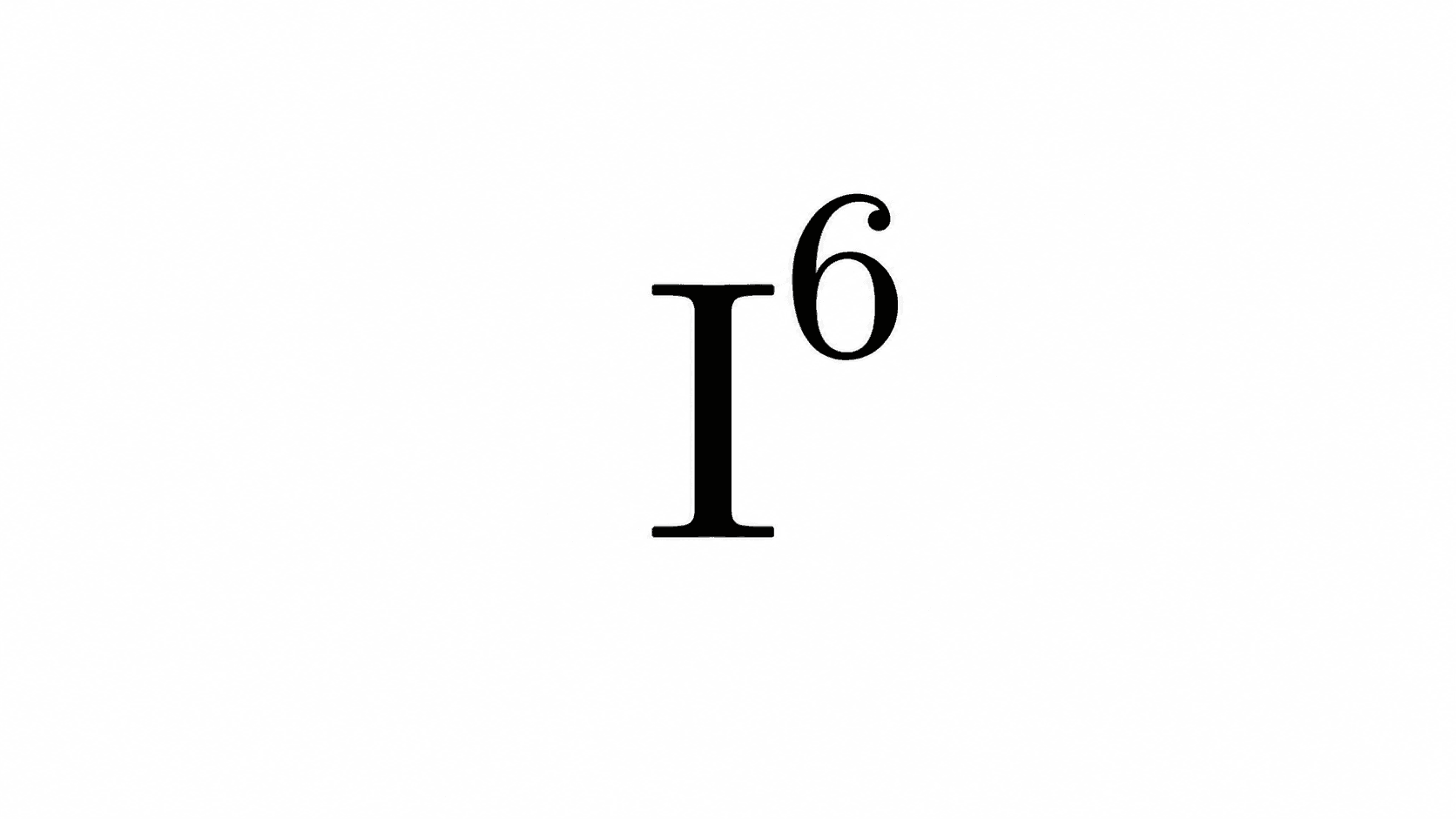
In the key of C major, a root-position tonic chord is written as a capital I. If that tonic chord is shifted into its first inversion (with E in the bass), it is annotated as:
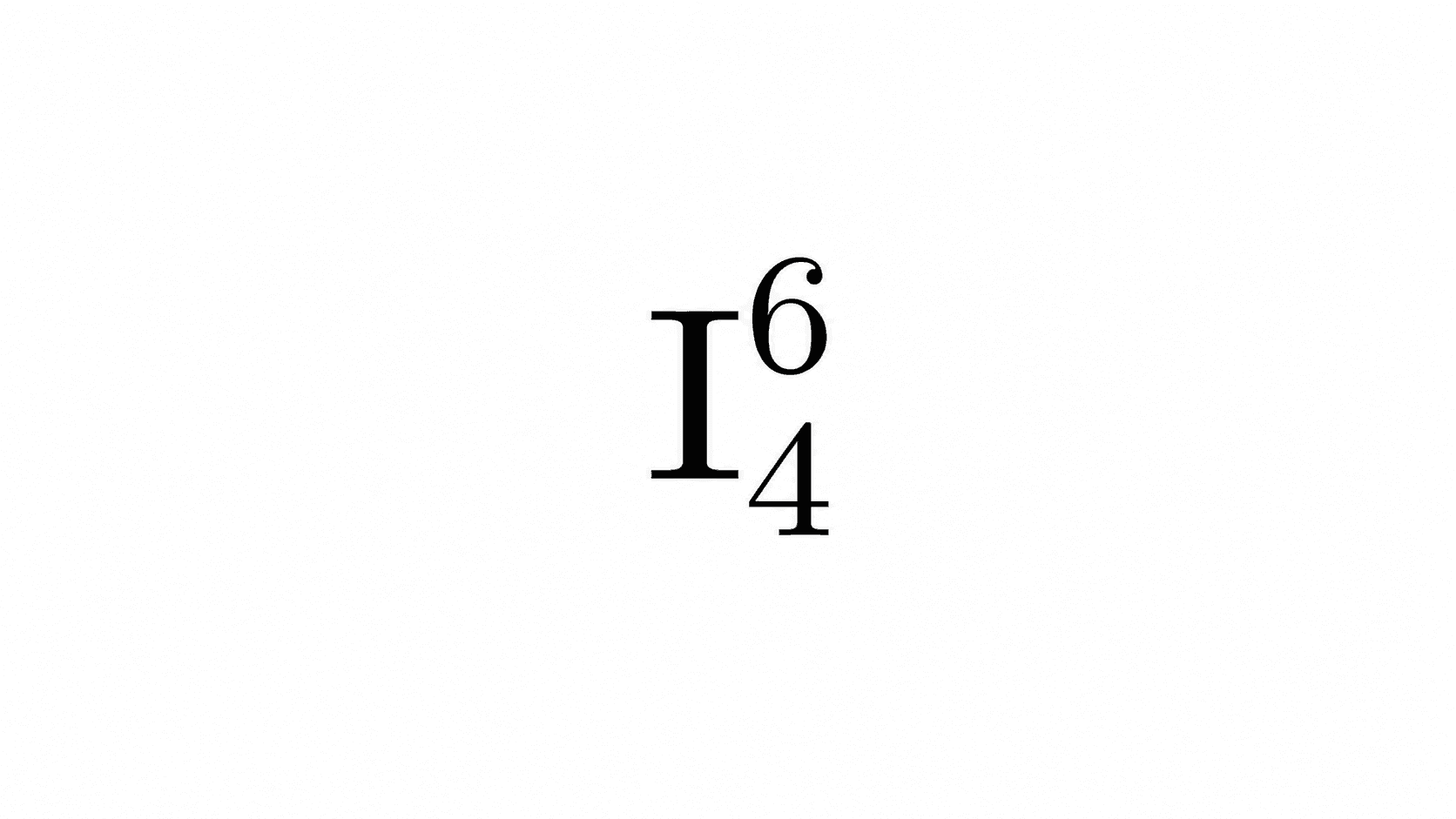
If it is moved into its second inversion (with G in the bass), it becomes:
Dominant seventh chords follow a similar structural labeling convention:
By utilizing Roman numeral notation, a theorist or composer can conduct an exhaustive harmonic analysis of a piece, mapping out structural relationships, tracking lines of modulation, and uncovering the overarching architecture of a composition across entire movements.
How and Why Should I Use Inverted Chords?
Voice Leading in Music and Functional Harmony
The primary artistic reason to implement chord inversions is to achieve exceptional voice leading. Voice leading refers to the smooth, linear management of individual musical lines or voices as they move from one chord to the next within a polyphonic texture. Without the use of inversions, a chord sequence can sound disjointed, as every instrument or vocal part is forced to jump erratically in parallel motion following the root notes.
| Vocal Line Layer | Disjointed Parallel Motion (No Inversions Used) | Fluid Linear Voice Leading (Inversions Implemented) |
|---|---|---|
| Soprano Voice | G note resolves awkwardly up to A, then drops down to F | G note steps smoothly up to A, then balances on an active A |
| Alto Voice | E note steps up to F, then breaks away down to D | E note steps smoothly up to F, then sustains firmly on F |
| Tenor Voice | C note shifts up to D, then falls heavily down to A | C note holds steady on a common tone C, then steps up to D |
| Bass Line | C note makes a massive jump up to F, then falls to D | C note plays a foundational C, sustains on C/E, then steps to F |
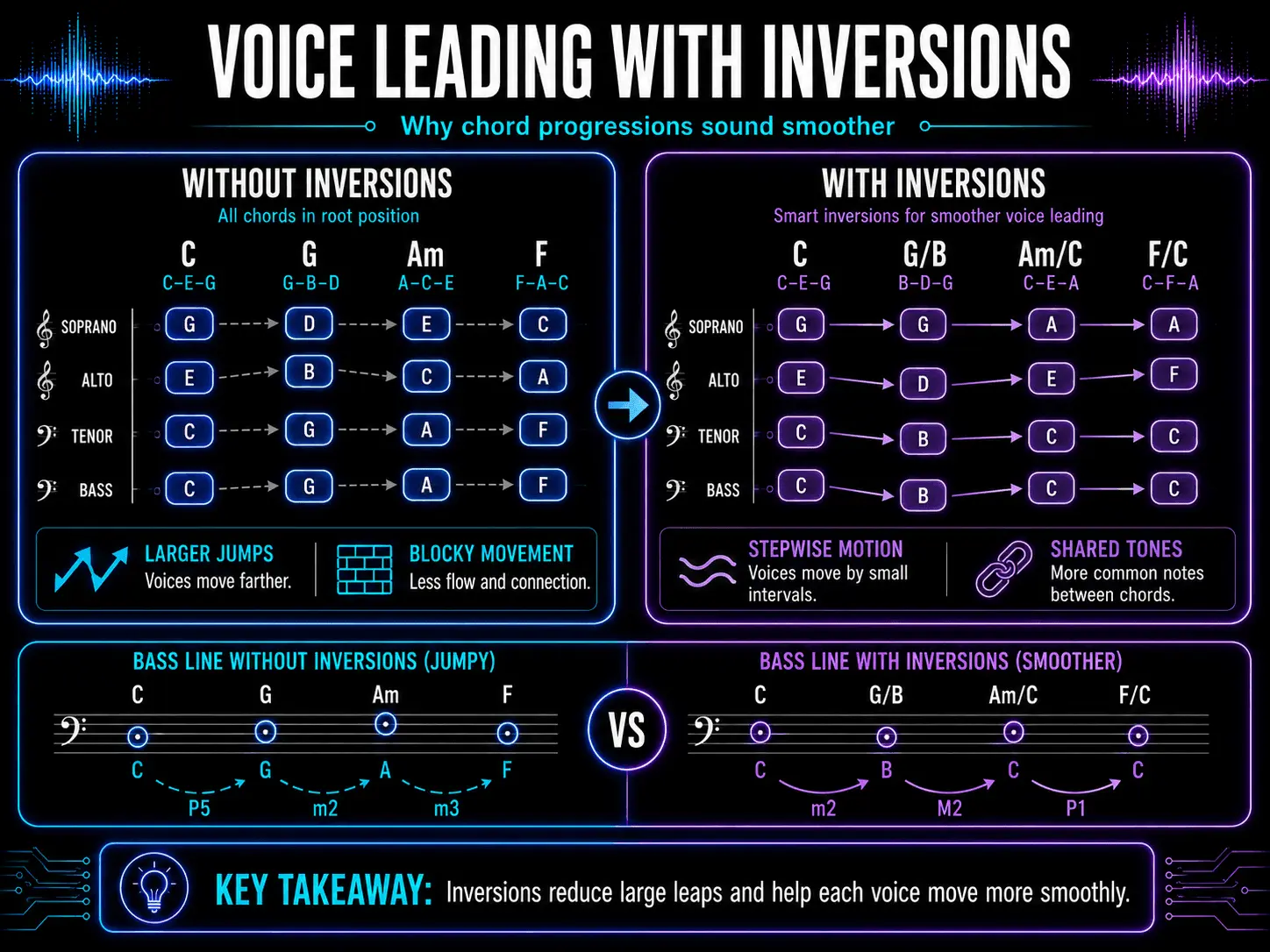
By deploying music composition techniques that value step-wise movement, a composer can utilize inversions to ensure that individual voices move by a single scale step or remain completely stationary on a common tone. This economy of motion minimizes erratic pitch jumps, creating an elegant, cohesive sonic texture.
Furthermore, inversions alter the functional weight of your harmonies. They allow a composer to soften the finality of a tonic chord or heightening the instability of a dominant chord, giving the writer granular control over the narrative flow of the music.
Create Tension with Inverted Chords
Inverted chords are powerful tools for managing the exact level of psychological tension within a track. Because a root-position chord is acoustically stable, it acts as a physical resting point for the ear. By withholding the root position and instead presenting a chord in its first or second inversion, you deny the listener complete resolution.
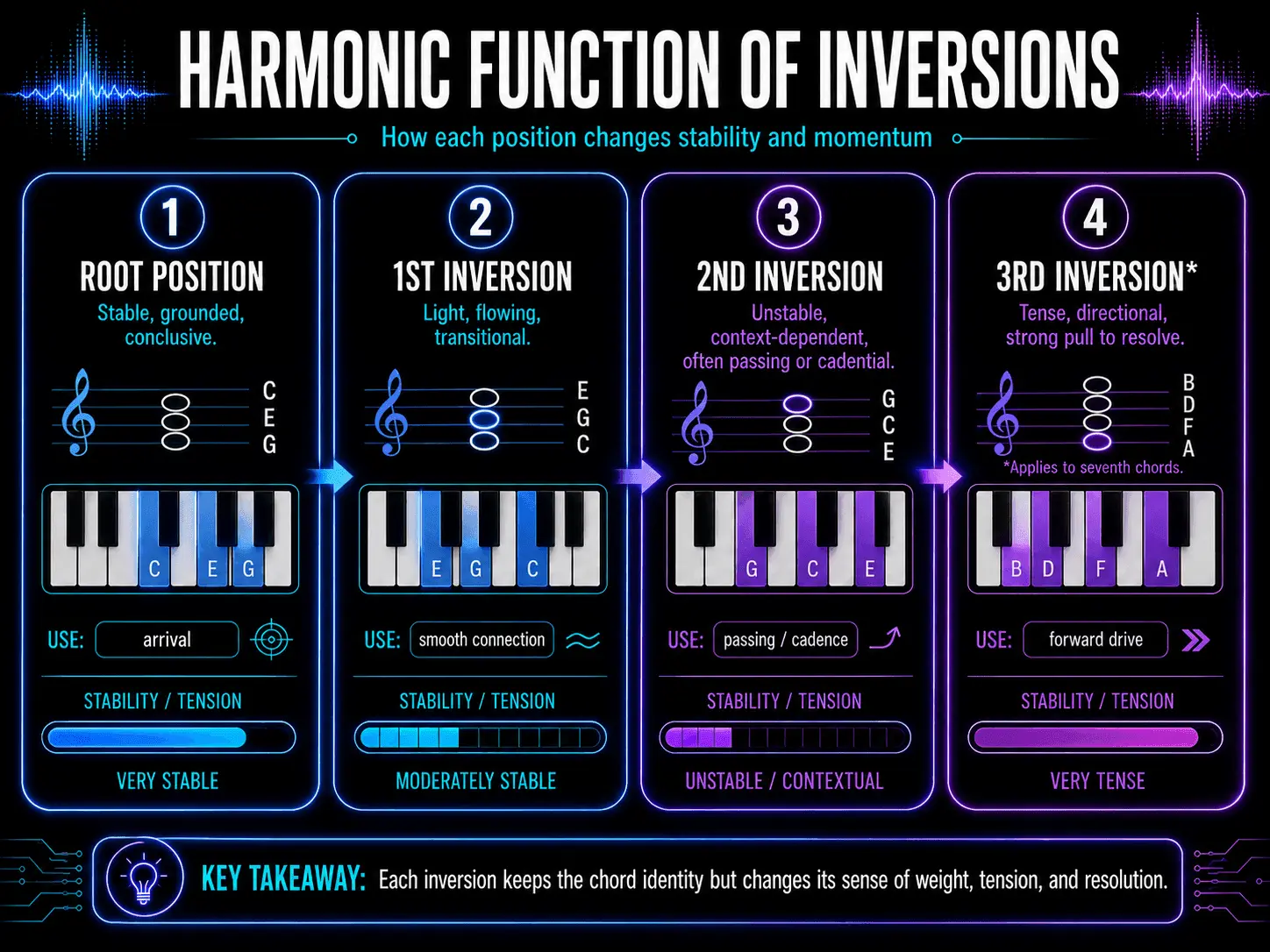
This technique keeps the listener in a state of engaged anticipation. The subtle acoustic instability of an inverted bass note introduces an unresolved question into the arrangement, urging the musical narrative forward. This manipulation of tension is crucial in cinematic underscoring, long-form electronic arrangements, and popular songwriting, where keeping an audience engaged over extended durations is paramount.
Inverted Chords in Thinking Out Loud by Ed Sheeran
In the contemporary pop hit Thinking Out Loud, co-written by Ed Sheeran, chord inversions are utilized to construct a looping harmonic framework that feels continuous and fluid. The core progression operates in the key of D major, moving from the tonic D major to a D first-inversion chord, then shifting outward to G major and A major.
By utilizing the first inversion of the tonic chord (D/F#) as a transitional step between the root position D major and the subdominant G major chord, the writers create a rising, stepwise bass line:D→D/F#→G→A
This step-wise ascent in the low end prevents the song from falling into a repetitive loop of blocky jumps. It establishes a smooth foundation that perfectly complements the lyrical flow and intimate vocal performance.
Inverted Chords in Tiny Dancer by Elton John
Elton John's classic composition Tiny Dancer serves as a masterclass in using inverted chords to establish an expansive harmonic landscape. In the iconic opening verse sections, the song relies on inversions to elongate the musical phrasing and avoid premature resolutions.
The progression masterfully weaves from a root position C major chord to an F major chord over a C bass note (F/C), and incorporates a smooth descending scalar motion in the low end. By maintaining a pedal point or utilizing step-wise bass adjustments under changing upper harmonies, Elton John generates a buoyant, rolling momentum. This technique gives the verse an open-ended, cinematic quality, allowing the melody to breathe before finally hitting a definitive root-position resolution during the chorus.
Craft Smooth Bass Lines and Harmonies with Inverted Chords
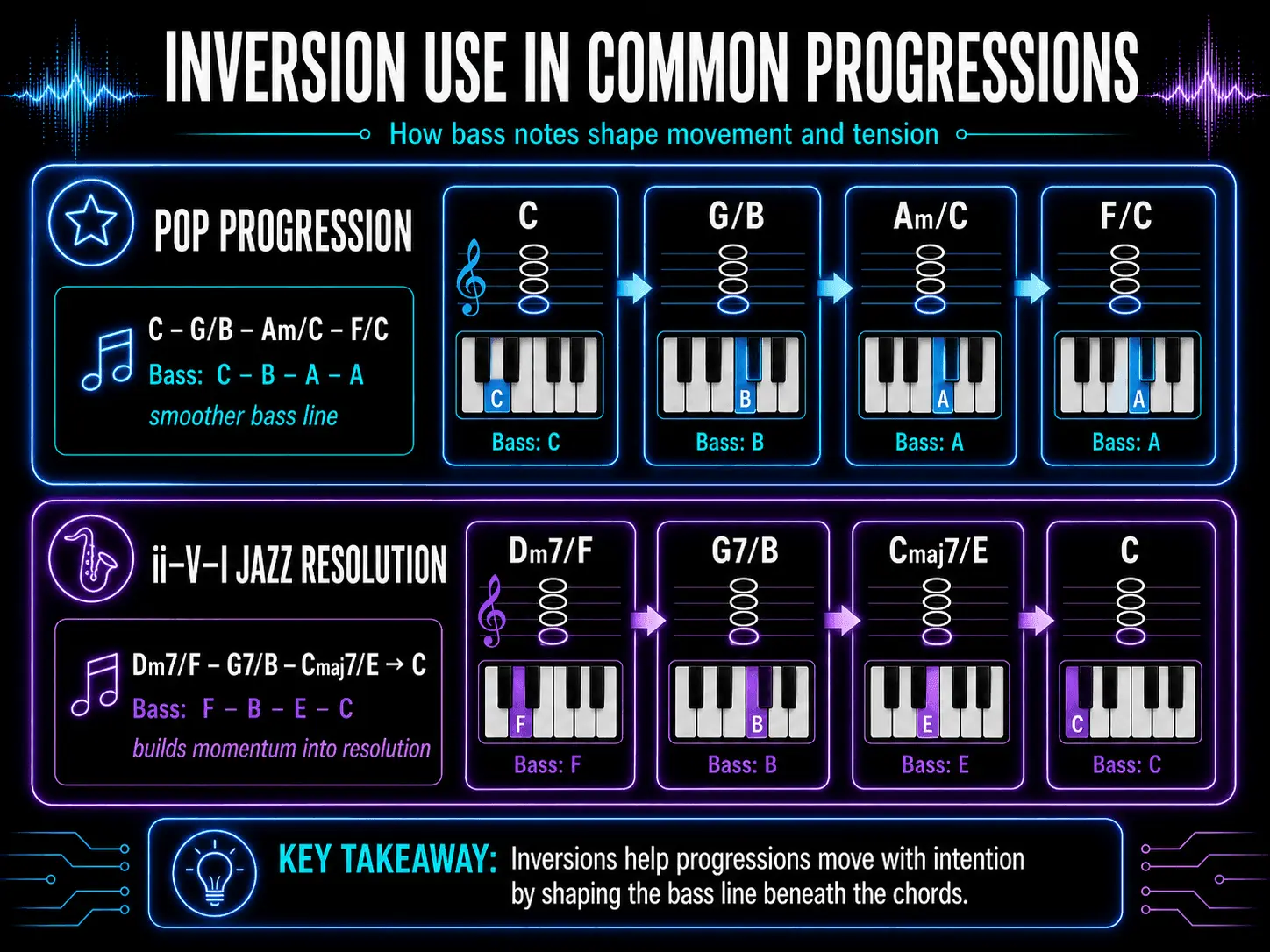
A prominent sign of amateur music production is a bass line that strictly mirrors the root notes of the midi chord progression. While this approach can provide a raw, heavy impact in specific club tracks, it lacks the sophistication required for rich arrangements. Using inversions allows a producer to compose a beautiful linear melody in the bass line itself.
When the bass functions as an independent, conjunct melody moving primarily by step, the entire mix sounds more integrated. The lower frequencies cease to be a static rhythmic pulse and instead become an active, elegant harmonic counter-weight to the primary vocal or lead melody.
Inverted Chords in Stairway to Heaven by Led Zeppelin
One of the most famous examples of a highly organized, chromatic descending bass line occurs in the legendary introduction of Stairway to Heaven by Led Zeppelin. The song opens with an acoustic guitar fingerpicking an intricate progression in A minor.
| Structural Layer | Chord Step 1 | Chord Step 2 | Chord Step 3 | Chord Step 4 | Chord Step 5 |
|---|---|---|---|---|---|
| Chord Identity | Am | G#aug/E+ | C/G | D/F# | Fmaj7 |
| Bass Note Line | A | G# | G | F# | F |
| Inversion Setting | Root Position | First Inversion | Second Inversion | First Inversion | Root Position |
Instead of jumping between the root notes of these distinct chord structures, the lowest voice forms a seamless, step-by-step chromatic descent: A, G#, G, F#, F. This linear bass melody is achieved entirely through the careful application of chord inversions. It ties highly contrasting upper structures together into a unified, hauntingly beautiful introductory statement.
Inverted Chords in Something by The Beatles
Written by George Harrison, Something by The Beatles stands out as an exceptional harmonic achievement, driven by a deeply expressive use of inversions to create linear bass movement. The opening of the verse establishes a descending line under a stable C major tonality.
Inverted Chords in Let It Be by The Beatles and Bohemian Rhapsody by Queen
In Queen's monumental Bohemian Rhapsody, Freddie Mercury deployed bold, dramatic inversions to underpin the song's theatrical style. During the ballad sections, the piano accompaniment frequently shifts away from root positions to introduce passing inversions and third-inversion seventh chords. This creates a constantly shifting bass foundation that mirrors the intense emotional instability of the lead vocal narrative.
Classic Chord Inversions in Popular and Classical Music
Certain inverted chord formulations have appeared so consistently across music history that they have been categorized as distinct music theory devices. These formulas bridge the gap between classical composition and contemporary hits.

The Cadential 6/4
The cadential 6/4 is arguably the most important second-inversion formula in classical music theory, and it remains a staple in modern epic film scoring and pop anthems. It involves a tonic chord voiced in its second inversion (with the scale degree 5 in the bass) resolving directly to a dominant root-position chord over the exact same bass note, before finally settling into a stable tonic root-position chord.
Chord Phase 1: The Unstable Tonic (I 6/4): The bass anchor sounds the scale degree G, while the upper voices support C and E. This layout creates an acoustically unstable suspension.
Chord Phase 2: The Dominant Arrival (V): The bass note holds firm on G, while the internal upper elements shift down to B and D to build standard harmonic tension.
Chord Phase 3: The Stable Resolution (I): The bass note drops home to C, while the upper structure settles comfortably on E and G to create a conclusive ending.
Functionally, the initial second-inversion tonic chord does not act as a true tonic arrival point. Instead, the fourth and sixth above the bass function as intense melodic suspensions that delay and anticipate the arrival of the dominant harmony. It creates a massive sense of dramatic expectation, making it the perfect vehicle for huge transitional moments or final cadences.
The Phrygian Half-Cadence
The Phrygian half-cadence is a specific minor-key progression that relies heavily on a first-inversion chord to create an exotic, historical emotional quality. The progression moves from a first-inversion minor subdominant chord (iv6) to a root-position major dominant chord (V).
In the key of A minor, this translates to a D minor chord with an F in the bass (Dm/F) resolving directly to an E major chord (E). The structural beauty of this cadence lies in the bass line, which moves downward by a half-step from the note F to the note E. This half-step descent imitates the unique intervallic structure of the ancient Phrygian mode. It infuses any track with an immediate sense of ancient mystery, tragedy, or classical weight.
From Bach to the Billboard: The Secret Classical Roots of Pop Hits
When inspecting the top tiers of the Billboard charts, it is easy to assume that modern commercial pop has completely broken away from historical classical traditions. However, harmonic analysis reveals that contemporary pop hits routinely recycle the voice-leading formulas formalized by Johann Sebastian Bach and his contemporaries.
The Baroque Passacaglia Framework: A method of continuous structural variation built entirely over a repeating, step-wise descending bass pattern.
The Classical Partimento Tradition: Instructional bass line structures intentionally crafted to automatically imply beautiful upper harmonies to an accompanist.
The Modern Pop Ballad Blueprint: The widespread commercial practice of inserting inverted slash chords to keep low-end motion fluid beneath simple, looping vocal hooks.
Whether analyzing the classical lines of Procol Harum’s A Whiter Shade of Pale (which lifted its bass design directly from Bach’s Orchestral Suite No. 3) or the looping chord progressions of modern electronic producers, the reliance on inversions remains identical. Pop music thrives on immediate memorability and emotional resonance. By using classical voice-leading techniques like step-wise bass lines and passing inversions, modern writers can implement simple three-chord formulas that feel incredibly sophisticated, fluid, and deep.
Advanced Applications: Counterpoint, Texture, and Forms
Musical Texture and Voice Distribution
When integrating inversions into a complex arrangement, a writer must carefully consider the overall musical texture. Texture refers to how many layers of sound are happening simultaneously and how they interact with one another. The three primary categories of texture include:
- Monophony: A single, solo melodic line with no harmonic accompaniment whatsoever.
- Homophony: A primary melody supported by an underlying block of chords moving in relative rhythmic unison (the core format of most modern pop tracks).
- Polyphony: Multiple independent melodic lines sounding simultaneously, weaving together to generate a fluid harmonic web.
In a homophonic arrangement, inversions are utilized to keep the accompanying block chords flowing smoothly beneath the vocal line. In a polyphonic arrangement, inversions are not just pre-planned blocks. Instead, they emerge naturally from the linear interactions of independent melodies, requiring the composer to monitor the intervals formed between the voices at any given micro-moment.
Fugues
The fugue represents one of the most complex polyphonic forms in Western music history, perfected during the Baroque era. A fugue is built around a central melodic theme, known as the subject, which is introduced by a single voice and then systematically imitated by other entering voices at different pitch levels.
Within a fugue, the independent vocal or instrumental parts constantly cross, mimic, and counter one another. To maintain the absolute independence of these lines while keeping the music consonant, composers rely completely on the fluid nature of chord inversions. Inverted harmonies allow the lowest voice to move freely up and down the scale without locking the upper voices into restrictive, parallel block movements. This keeps the contrapuntal momentum active across the entire composition.
Canon Music
A canon is a strict contrapuntal composition technique where a primary initial melody is played by one voice, and then imitated note-for-note by a second voice after a specific time delay. The most famous historical example is Johann Pachelbel’s Canon in D.
In canon composition, the physical challenge is ensuring that the delayed second voice blends harmoniously with the ongoing melody of the first voice. To prevent clashes, the composer must use precise vertical voice distribution. Inversions are essential here, as they allow the composer to transform problematic parallel intervals into smooth thirds and sixths. This ensures acoustic clarity throughout the entire imitation process.
Categories of Polyphonic Structures
Polyphonic compositions can be broken down into specific structural categories based on how their themes are developed. These include:
- Imitative Polyphony: Found in fugues and canons, where different voices state variations of the exact same melodic material.
- Non-Imitative Polyphony: Found in complex jazz arrangements or orchestral scoring, where entirely unique, independent melodies are played at the same time, weaving a rich tapestry of sound.
Regardless of the category, managing multiple independent melodies requires an advanced grasp of functional harmony. Inversions act as the connective tissue that allows these independent lines to coexist, turning potential chaos into a beautifully integrated piece of music.
Practical Guides for Creators: Producers, Composers, and Musicians
Application in Digital Audio Workstations
For modern producers creating music inside a Digital Audio Workstation (DAW) such as Ableton Live, FL Studio, or Logic Pro X, chord inversions are a powerful tool for instantly improving a mix. When dragging in basic MIDI chord progressions, the initial result can often sound mechanical and disconnected.
- Input your standard block chord progression directly into your DAW MIDI piano roll interface.
- Identify the specific notes that are causing wide, erratic vertical leaps up and down the grid between adjacent chords.
- Highlight those target notes and utilize your platform transposition shortcut (such as Shift + Up/Down Arrow) to shift them an entire octave.
- Visually compress the blocks so they sit within a tight horizontal window across the piano roll grid.
- Uninverted Key Editor Layout: The individual MIDI blocks sprawl far apart across multiple scale octaves. This forces virtual synthesizers or instruments to make abrupt jumps that collide with vocals or muddy the low frequencies.
- Inverted Key Editor Layout: Transposing the notes clusters your harmonies into a consolidated frequency bracket. This creates a smooth block of sound and keeps your mixing headroom open for lead instruments to cut through clearly.
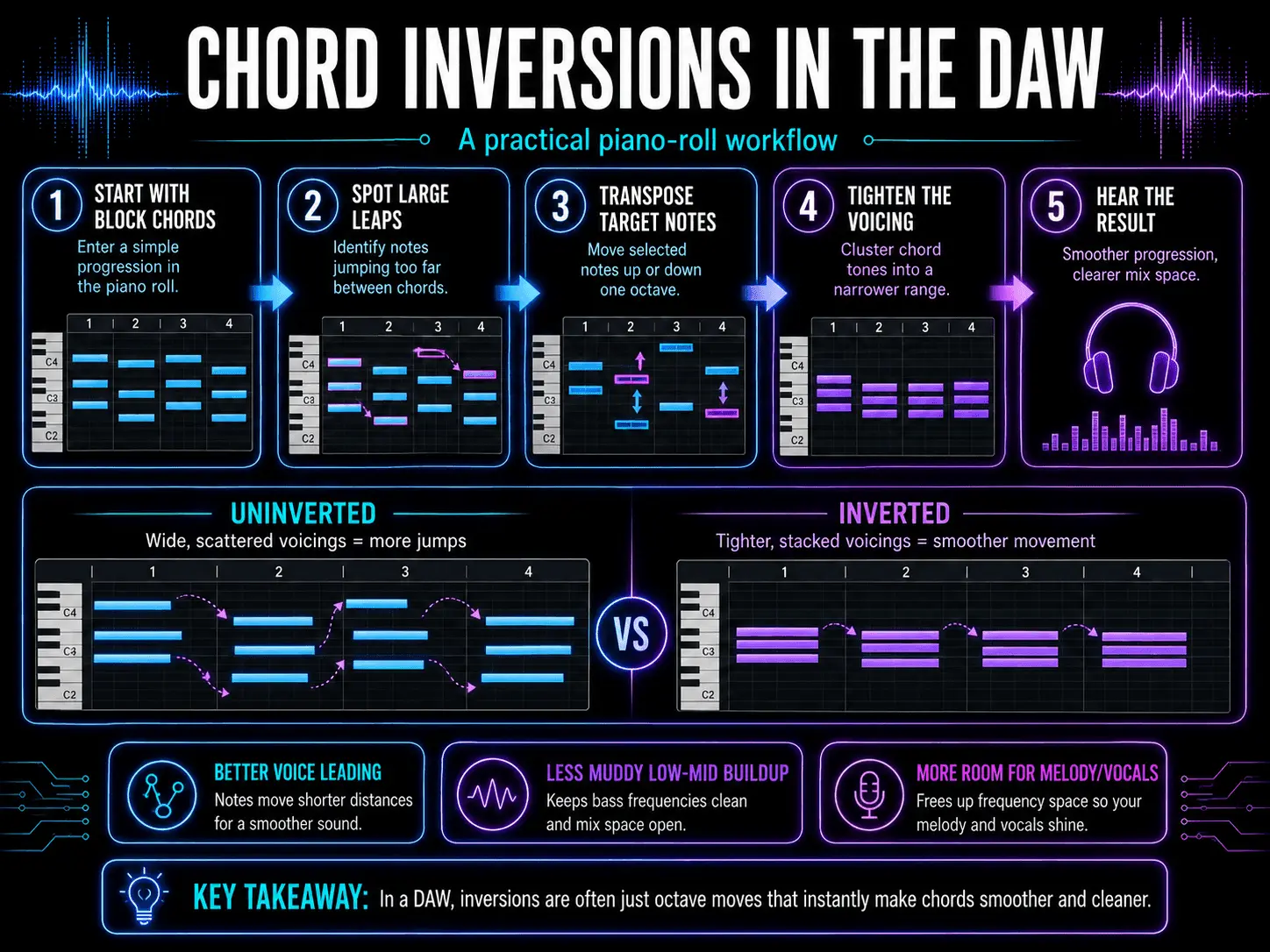
By transposing notes up or down an octave to create inversions, you achieve voice leading that visually compresses your MIDI data into a tighter vertical lane.
This structural adjustment has immediate practical benefits for your mix down. When your chords are tightly voiced using inversions, they occupy a well-defined frequency bracket. This leaves clear spectral space for your lead vocal or synthesizer melody to cut through, while preventing muddy frequency overlaps in the low-midrange.
Suspended Chords in Modern Music and Their Inversions
Suspended chords (sus2 and sus4) remove the traditional third of a triad, replacing it with a perfect second or a perfect fourth above the root. This substitution creates an open, ambiguous texture that lacks the definitive emotional stamp of a major or minor chord.
When you invert suspended chords, you unlock highly modern, ambient textures frequently used in cinematic ambient music, progressive house, and neo-soul:
Experimenting with these variations expands your options, allowing you to create beautiful, flowing soundscapes that avoid predictable pop cliché endings.
Arpeggios Explained (Real Song Examples)
An arpeggio is simply a broken chord where the individual notes are played sequentially one after another in a rhythmic pattern, rather than being struck simultaneously as a solid block. Arpeggios are used extensively across all musical styles, from classical piano sonatas to aggressive arpeggiator patterns in modern electronic music.
When you base an arpeggio pattern on an inverted chord structure rather than a standard root position, the melodic shape of the pattern changes completely. Instead of a predictable low-to-high ascending pattern, an inverted arpeggio introduces captivating melodic contours, unique wider pitch leaps, and unexpected internal movements.
A classic example is the piano intro of Coldplay’s Clocks. The driving arpeggiated keyboard pattern relies entirely on inverted chord voicings to create its iconic, rolling melodic loop, showing how simple triads can be transformed through clever rhythmic note distribution.
Shape Smoother Chord Progressions with ACE Studio
Hear how each bass-note choice changes the movement, tension, and character of your harmony
Chord inversions become much easier to understand when you can change the bass note and immediately hear the result. In ACE Studio, the Chord Track lets you build a progression, define each chord, and select a different chord tone for the bass. This makes it possible to compare a root-position chord with its first or second inversion without rebuilding the entire arrangement.
For example, you can enter D–D/F#–G–A and compare it with a version that keeps D in the bass for the second chord. The D/F# inversion creates a rising low-end movement that connects the tonic to G major more smoothly. Similar experiments with C–G/B–Am or C/G–G–C reveal how inversions can create descending bass lines, strengthen transitions, or delay a final resolution.
The notes of the active chord can also be displayed behind the Piano Roll, helping you see which tones can remain stationary and which can move by step. When a progression sounds stiff, this view can reveal that the issue is not the chords themselves but the distance individual voices travel between them.
Once the movement feels right, the MIDI parts can be tested with expressive AI Instruments to hear how the inversion behaves in a fuller arrangement. A bass note that sounds balanced on piano may feel too heavy in a lower instrumental register, while a second-inversion chord may create useful anticipation when sustained by strings. This makes ACE Studio a practical space for choosing inversions by sound, movement, and musical purpose rather than theory alone.
Beyond chord inversions, ACE Studio can support a wider range of creative decisions across the same project. You can develop vocal melodies from MIDI and lyrics, build harmonies, shape expressive AI Instrument performances, refine arrangements, and test different textures without leaving the composition. This makes it easier to move from a simple harmonic idea to a more complete production while keeping every musical element connected.
Troubleshooting and Mastery
Common Mistakes in Chord Inversions
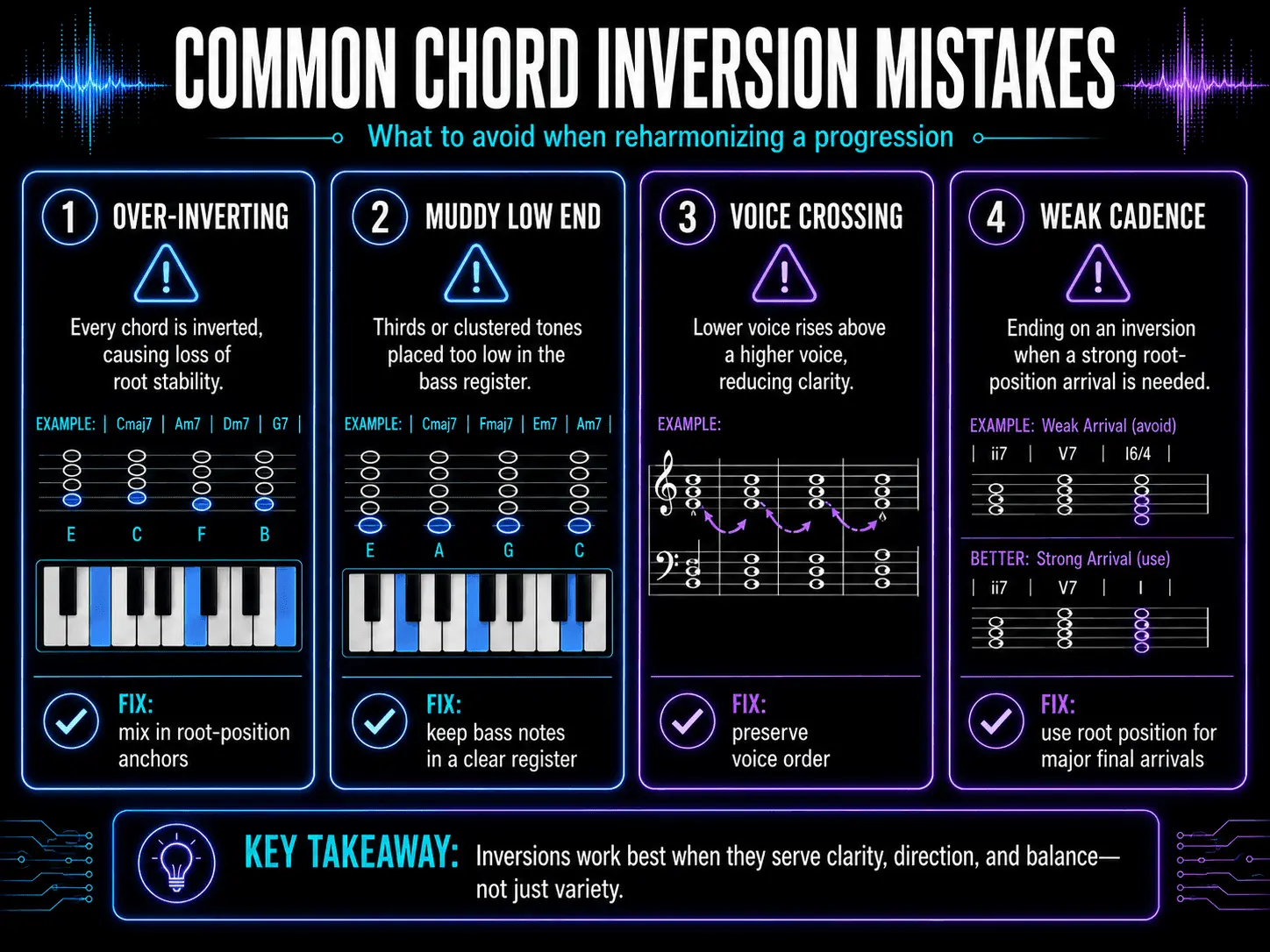
While implementing chord inversions can elevate your writing, there are several common traps that creators often fall into:
- Over-Inverting and Losing the Root Foundation: Inverting every single chord in a progression can strip your track of its harmonic weight. Without occasional, solid root-position chords to anchor the arrangement, the progression can feel aimless and unsatisfying.
- Creating a Muddy Low-End: Placing the third or fifth of a chord in the extreme low-end frequencies can quickly ruin a mix. Because lower frequencies have longer wavelengths, small intervals like thirds sound incredibly muddy when played too low. Keep your inverted bass notes in a clear, legible register.
- Ignoring Voice Crossing: When writing independent vocal or synth lines, avoid having a lower voice accidentally cross above a higher voice. This disrupts the clarity of the lines and confuses the listener's ear.
- Weakening Key Cadences: Using an inversion for your final, dramatic resolution chord can ruin its impact. For big arrival points or final endings, a powerful root-position chord is almost always required to provide a true sense of closure.
Future Outlooks in Music Technology
Mastering chord inversions is a major milestone in a musician's creative development. It marks the transition from simply slapping block chords together to truly sculpting an integrated, elegant musical landscape. Whether you are aiming to write a smooth, memorable bass line for a pop song, build dramatic tension in a film score, or clean up a muddy mix in your DAW, inversions are an essential tool for the job.
Looking ahead, the evolution of Artificial Intelligence and advanced MIDI tools is changing how we interact with harmony. Modern smart-voicing plugins, advanced algorithmic composition assistants, and AI generation tools can instantly suggest optimal voice-leading arrangements and complex chord inversions based on your initial ideas.
However, technology is simply an accelerator. The core choices that give a piece of music its unique emotional fingerprint will always rely on your personal creative intuition. By deeply understanding the mechanics of inverted harmonies, you can look beyond basic chord progressions and unlock an endless world of expressive possibilities for your music.
Frequently Asked Questions
What is a chord inversion in music theory?
A chord inversion occurs when a pitch other than the root note of a chord is placed in the lowest position, known as the bass note. While the core identity and name of the chord remain unchanged, rearranging the vertical stack of notes alters its acoustic stability, texture, and physical tension to allow for smoother musical transitions.
What is the difference between a first, second, and third inversion?
The difference depends entirely on which note of the chord occupies the lowest voice:
First Inversion: The third of the chord is in the bass position.
Second Inversion: The fifth of the chord is in the bass position.
Third Inversion: Applies only to four-note chords like seventh chords, where the seventh interval is placed in the bass position.
What are slash chords and how do they relate to inversions?
Slash chords are a modern shorthand notation system used in lead sheets and music production to specify inversions and specific bass configurations. Written as Chord/Bass Note (such as C/E), the letter before the slash indicates the overall harmony being played, while the letter after the slash specifies the exact note that must sound as the lowest pitch.
Why should I use inverted chords in music production or songwriting?
Inverted chords are used to enable exceptional voice leading, which minimizes erratic pitch jumps between changing harmonies. They allow songwriters and producers to craft smooth, melodic, step-wise bass lines, manage structural tension, and clear out space within a busy audio mix by tightly clustering harmonic frequencies.
When should I avoid using a chord inversion?
You should generally avoid inversions when you need complete acoustic stability or maximum low-end weight, such as at major structural arrival points, final cadences, or heavy downbeats in electronic dance tracks. Additionally, avoid using inversions in extreme sub-bass frequencies, as placing intervals like thirds too low in a register creates severe acoustic muddiness.